A Container of Contradictions:
Finding My Rhythm in the Chaos
A few weeks ago, a friend tipped me off to a podcast. For some reason, I kept forgetting. Or maybe procrastinating, hesitating even. Maybe I wasn’t in the right mood, or perhaps I was subconsciously avoiding the depth I knew it would demand. But during a long drive to a photography gig, I finally pressed play.
The show was Fela Kuti: Fear No Man. And I got drawn into it. The story of this musical legend touched so many parts of my life. But for me it was the 13th bonus episode—"African Counterpoint”—that brought me to tears.
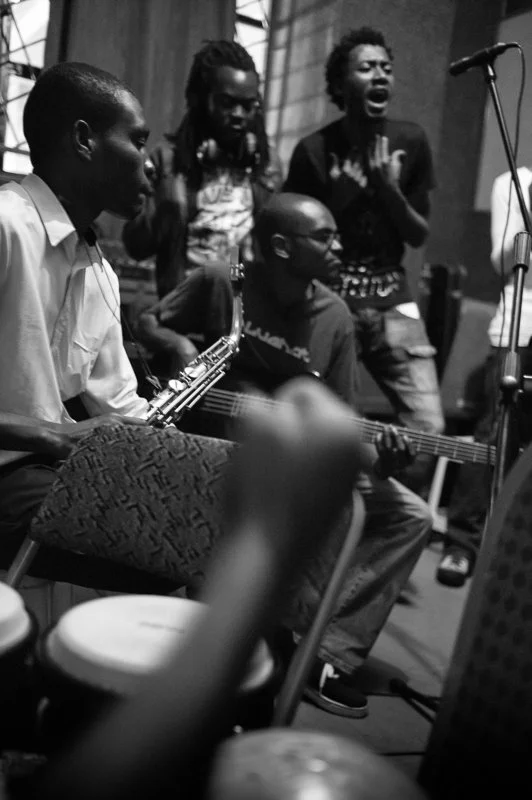
Here the host, Jad Abumrad, explored the brilliance of Fela Kuti through the lens of musical theory, specifically counterpoint: the art of having multiple, independent melodies playing at the same time. It’s a complex, multilayered way of composing that Fela mastered.
As I listened, something clicked deep inside me. I realised that my own life isn't a single, linear melody. It’s a symphony of counterparts—often clashing, sometimes chaotic, but always resonating.
The First Melody: A Legacy of Sound
The podcast made me think of my father. As a composer and conductor, he understood that music is often a vessel for things that seem impossible to combine. Jad Abumrad explains that Fela’s 'counterpoint' is more than just a musical trick; it is the art of letting multiple, independent voices exist and resonate at the exact same time. Fela used this to turn his music into a 'container of contradictions,' where political rage and infectious joy don't cancel each other out, but reinforce one another.
I realised that my father was practicing this same philosophy. In his Poverty Requiem, he didn’t choose one single emotion to describe the struggle against poverty. Instead, he layered independent melodies of suffering, anger, mourning, humor, and hope into one grand, complex structure. By bringing thousands of voices together, he proved that you can hold the most difficult societal contradictions within a single piece of music.
I now suddenly believe that this work would later feed my fathers curiosity about my own relentless urge to travel and witness, understand and even feel ( very aware of my privilege to do so) these same human experiences. So much so that half a decade after he premiered his Poverty Requiem, with me by his side to capture it, he decided to witness me by joining me on one of my trips through Western Africa. A journey that would make it possible for us both to suddenly hear, understand and very much enjoy the symphony and complexity of each others lives so much clearer.
The Second Melody: The Percussion of Rebellion and Relief
While my father and brother found their place within the formal structures of music—my father even founding the 'Rock Academy'—my own rhythm was far more impulsive and improvised. I was a drummer at heart, but in a quiet act of rebellion, I traded my sticks for a camera and my classroom for the world. To my father, whose world was built on the discipline of diplomas and certificates, my years working in hospitality and my restless urge to wander free were often a source of both quiet and loud misunderstanding. I wasn't just drifting, though; I was pursuing an ‘unruly education’—one that couldn't be taught in a conservatory.
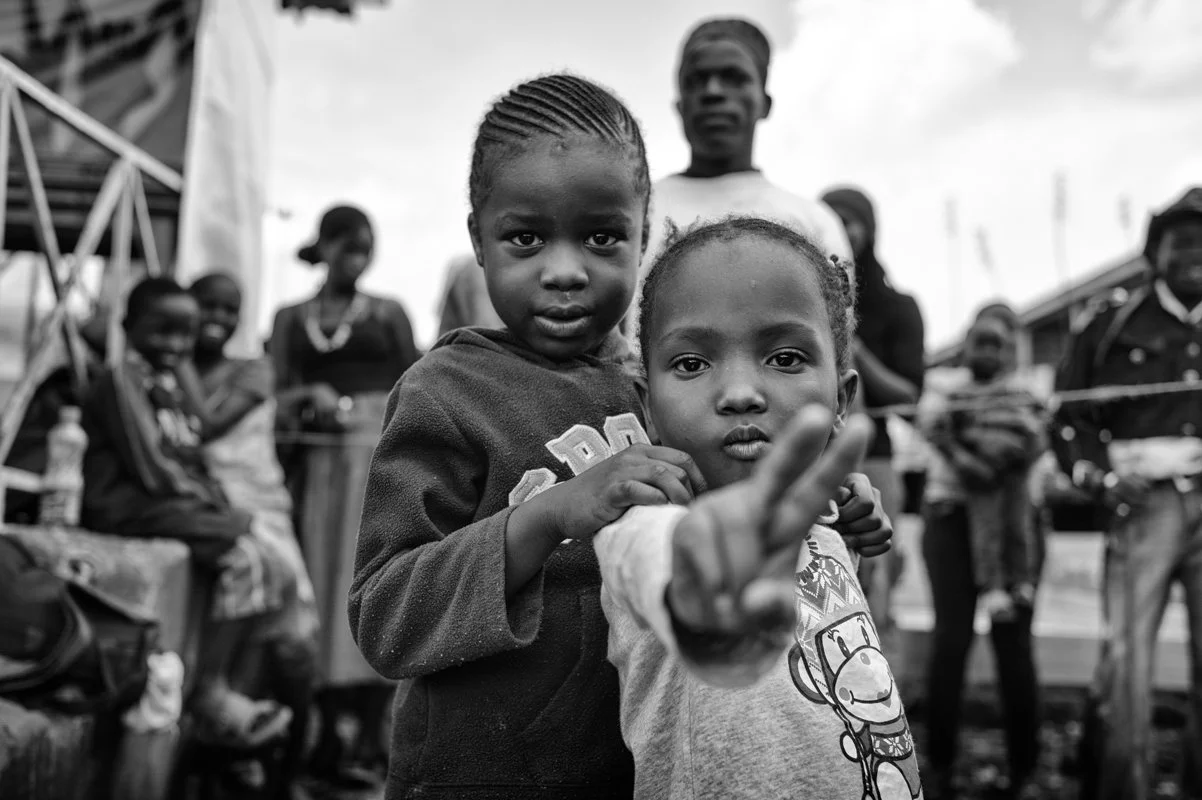
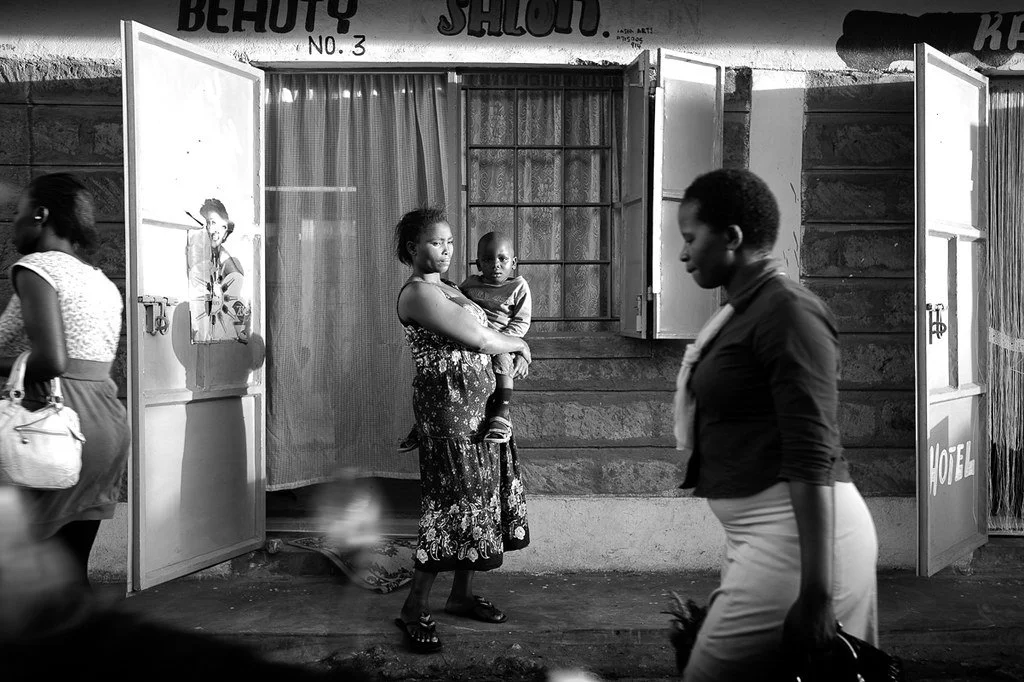
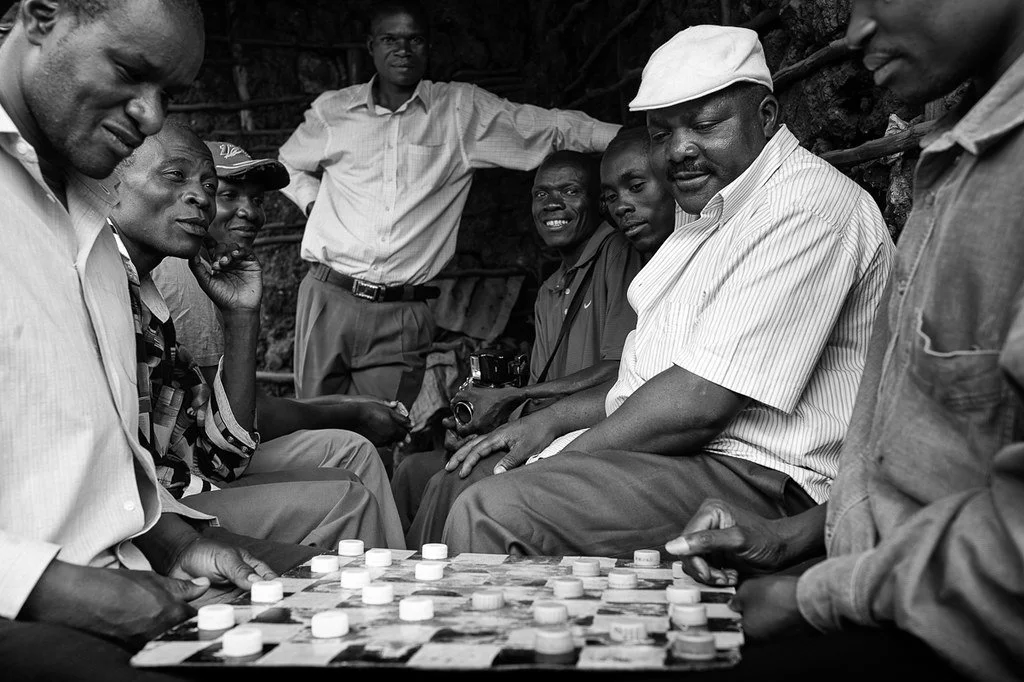
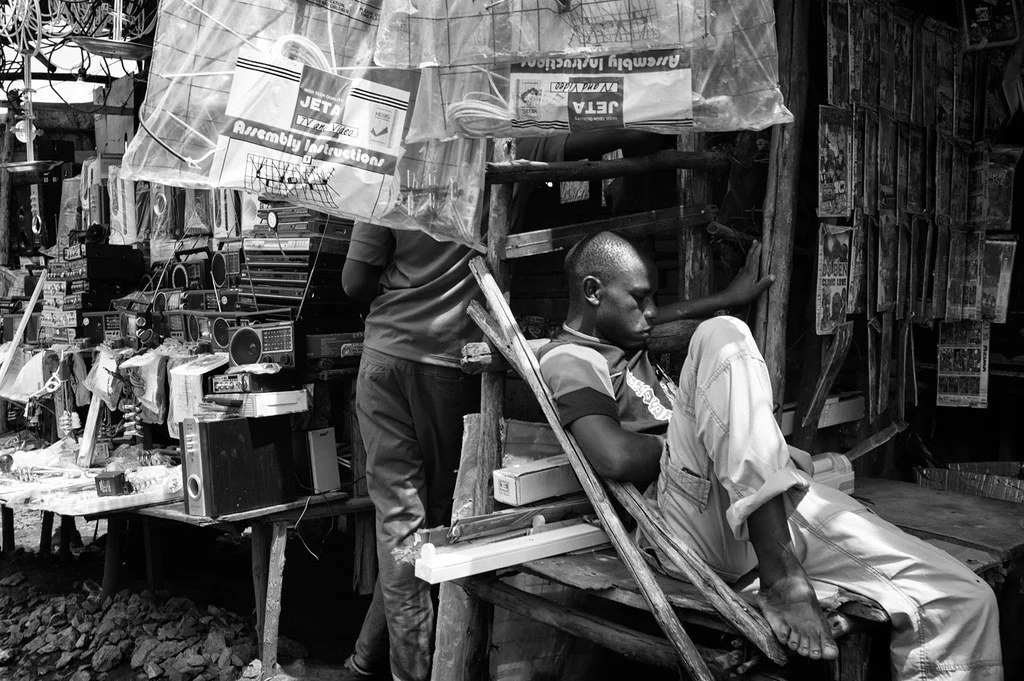
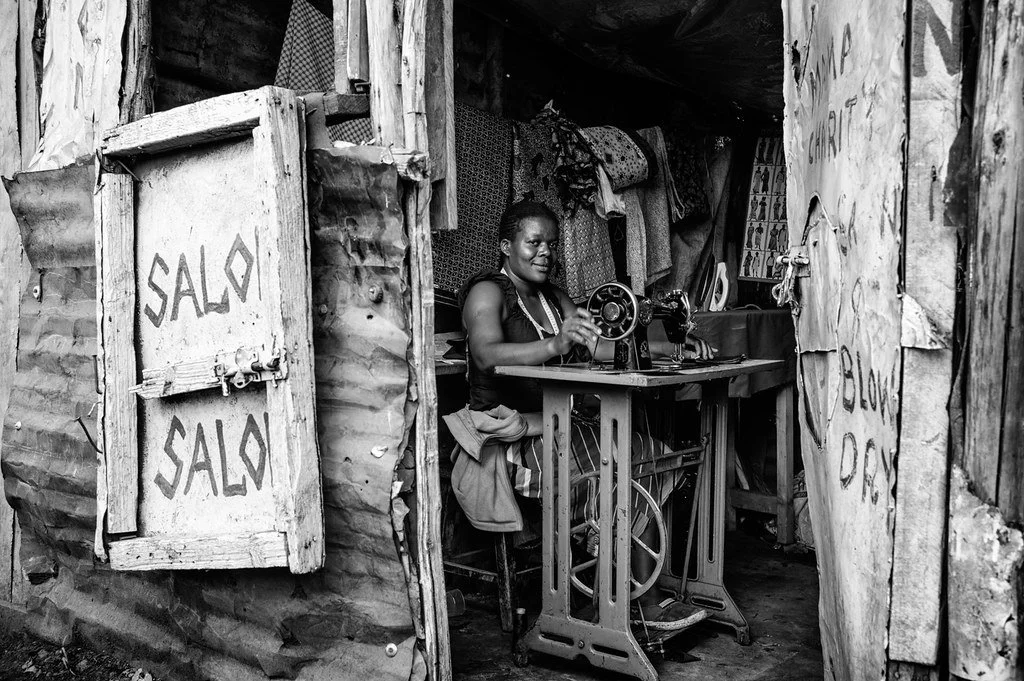
In hindsight, I realise these journeys were more than just a search for adventure; they were my sanctuary. Back home, I was constantly navigating expectations I didn't naturally understand. Travel was the only place where the pressure to either conform or actively rebel dissolved. In the slums of Kibera or on the trails of Southwestern Asia, I was a stranger among strangers, free from the exhaustion of belonging. My camera became my new instrument, allowing me to capture the visual counterpoints of life—the layers of sound, struggle, and beauty that exist simultaneously. I wasn't just taking photos; I was finally breathing in a rhythm that was entirely my own.
The Third Melody: The Silent Syncopation
For decades, I navigated a ‘neuro-spicy’ rhythm I couldn’t quite name—a frequency that made daily life feel like a constant treadmill of performance. My recent discovery of autism wasn’t a shocking twist, but a long-awaited footnote that finally explained the internal friction I’d felt for nearly fifty years. To survive in a world not built for my natural pace, I practiced a lifelong of unconscious anthropology; meticulously observing, copying, and adjusting social behaviours. Just to belong.
This was the silent counterpoint of masking, the exhausting art of fine-tuning my every move to harmonise with a world that often felt written in a different key. While it was an exhausting survival system, it created a profound paradox: the very energy I spent decoding human connection became the foundation of my ability to truly see and understand others.
The years of watching and listening—once a way to hide—have evolved into my greatest strength as a storyteller and researcher. What was once a struggle to fit in is now the specialised lens through which I witness the complexity of life, finally honouring the honesty of my own rhythm instead of the ‘digital speed’ of the world.
My own 13th episode: The Visual Anthropologist
Recently, these independent notes have begun to form a new, unexpected chord. I have stepped into a role as a Visual Anthropologist at Studio Kroonsteen, a place that feels like my own '13th episode'—the bonus track where all my previous, seemingly unrelated experiences finally resonate together.
In this work, I navigate the friction between what we call the 'system world'—the technical, bureaucratic machinery of the energy transition—and the 'lived world' of residents. While my camera remains a vital tool, my role is far more than just taking pictures; I act as a 'translator of meaning'.
My days are spent observing, listening, and asking the quiet questions that technical plans often ignore, searching for the layers of attachment, routine, and memory that residents protect when change comes close. Whether at a kitchen table or near a new transformer house, I translate the lived reality of a neighbourhood into a language that professionals can understand, ensuring the energy transition remains human, local, and socially just.
Sitting on the Curb
In the podcast, Jad Abumrad describes standing in a chaotic market in Lagos, Nigeria. I felt intimately connected with his observations and the soundscapes he recorded, as I have stood in so many of these kind of markets.
In the middle of the noise and the overlapping rhythms, he sees a young boy sitting on the curb, looking a bit bored. The boy isn't overwhelmed; he is simply part of the symphony. This is the image that broke me. Tears flooding my eyes and rolling down.
For a long time, I felt like I was just moving between disconnected fragments. But suddenly I see or better yet I can feel that the chaos of the market is the music. My father’s compositions, my years of wandering with a camera, friendships and relationships, masking and revealing, are all melodies in the same piece.
Life is a container of contradictions. And as long as I can sit on that curb and hear how the different rhythms connect, it all makes sense.
This series of photos was taken in Kibera - Nairobi, Kenya, on assignment for Peacetones, a US based foundation empowering unheard musicians to foster peace, justice, and community.